What is an SMS API and How Does It Work? (2026 Guide)
What is an SMS API and How Does It Work?
An SMS API allows businesses, websites, apps, and software systems to send and receive SMS messages automatically through mobile networks.
In simple terms, an SMS API acts as a bridge between your software and an SMS gateway provider, allowing you to automate SMS communication without manually sending messages from a phone.
Businesses across South Africa use SMS APIs every day for:
- OTPs (one-time passwords)
- appointment reminders
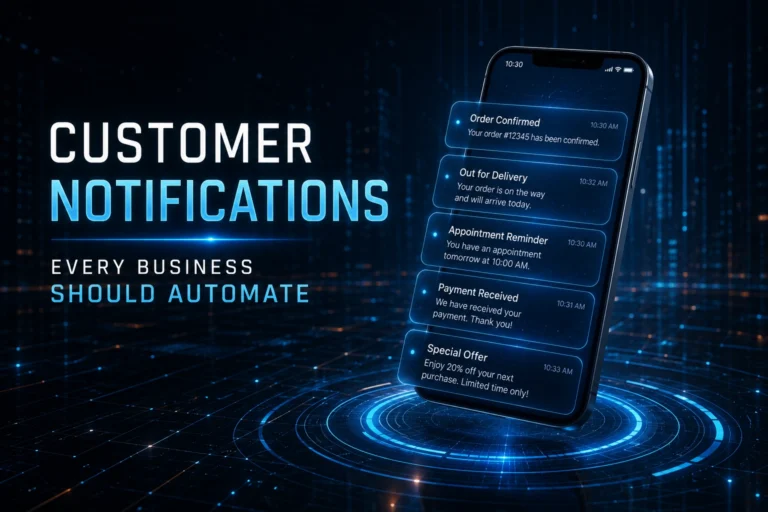
- customer notifications
- delivery updates
- payment confirmations
- marketing campaigns
- internal staff communication
- system alerts
Modern SMS API platforms like WinSMS make it easy to integrate SMS messaging into websites, CRMs, apps, booking systems, eCommerce platforms, and custom software.
What is an SMS API?
API stands for Application Programming Interface.
An SMS API allows software applications to communicate with an SMS platform programmatically.
Instead of manually logging into a website to send messages, an SMS API allows your system to automatically:
- send SMS messages
- receive replies
- trigger alerts
- automate notifications
- retrieve delivery reports
- manage large-scale messaging
This makes SMS APIs one of the most widely used business communication tools in South Africa.
For example:
- a school sms system can notify parents instantly
- a medical practice can automate appointment reminders
- an online store can send delivery updates
- a bank can send OTP verification codes
- a logistics company can automate operational alerts
How Does an SMS API Work?
An SMS API works by connecting your system to an SMS gateway provider.
The process usually works like this:
Step-by-step process:
A Message is Triggered
A message is triggered from:
- a website
- CRM
- booking platform
- mobile app
- ERP
- eCommerce store
- internal business system
For example:
A customer places an order online and automatically receives an SMS confirmation.
The API Sends the Request
Your system sends the SMS request to the SMS API using:
- REST API
- HTTP API
- XML API
- FTP integration
- webhooks
The request typically contains:
- recipient number
- message content
- sender ID
- authentication details
Businesses can integrate these systems using SMS development tools and API integrations.
The SMS Gateway Processes the Message
The SMS gateway validates the request and routes the message through mobile networks such as:
- Vodacom
- MTN
- Cell C
- Telkom Mobile
This is where the actual SMS delivery infrastructure operates.
The SMS is Delivered
The recipient receives the SMS message on their mobile device, often within seconds.
Businesses can send notifications, alerts, and campaigns using an online SMS portal or API integration.
Delivery Reports are Returned
The API can provide real-time delivery feedback such as:
- delivered
- pending
- failed
This helps businesses track messaging performance and communication reliability.
What is the Difference Between an SMS API and an SMS Gateway?
Many people use these terms interchangeably, but they are slightly different.
SMS Gateway
An SMS gateway is the infrastructure that connects directly to mobile networks and routes SMS messages.
SMS API
An SMS API is the interface developers and systems use to communicate with the SMS gateway.
In simple terms:
Your System → SMS API → SMS Gateway → Mobile Network → Recipient
Most businesses use both together through a single provider like WinSMS
Can You Integrate SMS Into Your Website or App?
Yes.
One of the biggest advantages of an SMS API is that it allows businesses to integrate SMS messaging directly into websites, apps, and software systems.
Common SMS API integrations include:
- eCommerce stores
- booking systems
- CRMs
- accounting software
- ERP systems
- customer portals
- mobile apps
- internal staff systems
This allows businesses to automate communication without manually sending messages.
For example:
- websites can send enquiry confirmations
- booking systems can send reminders
- eCommerce stores can send order updates
- apps can send OTP verification codes
Businesses can implement these integrations using SMS development tools and API documentation.
Common Types of SMS APIs
There are several different SMS API integration methods available depending on the system and business requirements.
REST SMS API
REST APIs are the most modern and widely used SMS APIs today.
Benefits include:
- easier integrations
- fast deployment
- compatibility with websites and apps
- support for JSON requests
- scalable automation
REST APIs are commonly used by:
- websites
- SaaS platforms
- apps
- eCommerce systems
- cloud software
Businesses commonly use REST SMS API integrations for scalable messaging automation.
HTTP SMS API
HTTP APIs are simple and lightweight, making them ideal for straightforward integrations.
Businesses often use HTTP APIs for:
- forms
- notifications
- customer alerts
- operational messaging
- simple automation
XML SMS API
XML APIs are still commonly used in:
- enterprise systems
- legacy software
- banking platforms
- corporate integrations
These APIs are useful for businesses operating older XML-based systems.
SMS Webhooks
Webhooks allow systems to receive real-time updates automatically.
This can include:
- Incoming SMS replies
- Delivery reports
- Failed messages
- User responses
Webhooks are commonly used in automation workflows and customer engagement systems.
Email-to-SMS Integration
Some providers also offer Email-to-SMS functionality, allowing businesses to send SMS messages directly from email platforms.
This is useful for:
- Operational alerts
- IT notifications
- Internal communication
- Support teams
What Are SMS APIs Used For?
SMS APIs are used across almost every industry in South Africa.
OTP & Verification Codes
SMS APIs are widely used for:
- OTPs
- Two-factor authentication (2FA)
- Login verification
- Account security
This remains one of the most common transactional SMS use cases globally.
Appointment Reminders
Businesses use SMS APIs to automate:
- Medical reminders
- Service bookings
- Meeting notifications
- Customer appointments
This helps reduce no-shows and improve customer communication.
eCommerce Notifications
Online stores commonly use SMS APIs for:
- Order confirmations
- Delivery updates
- Payment notifications
- Shipping alerts
Marketing Campaigns
Businesses also use SMS APIs for:
- Promotions
- Flash sales
- Event reminders
- Customer engagement
- Bulk SMS marketing campaigns
Because SMS messages generally have very high open rates, SMS marketing remains highly effective in South Africa.
Internal Business Communication
SMS APIs are commonly used internally for:
- Operational alerts
- Staff notifications
- Scheduling changes
- Logistics communication
- Emergency messaging
Benefits of Using an SMS API
Automation
SMS APIs eliminate manual messaging and allow businesses to automate communication at scale.
Reliability
SMS remains one of the most reliable communication channels because it does not require internet access.
Fast Delivery
Messages are typically delivered within seconds across South African networks.
High Open Rates
SMS messages generally achieve significantly higher open rates than email marketing.
Flexible Integrations
SMS APIs can integrate with:
- Websites
- CRMs
- Booking systems
- ERPs
- eCommerce stores
- Mobile apps
- Automation tools
Businesses can automate workflows using tools like the Microsoft Power Automate SMS Connector.
SMS Development Tools & Integrations
Modern providers like WinSMS offer multiple SMS development tools and integration options for businesses and developers.
These include:
- REST API
- HTTP API
- XML API
- FTP API
- Webhooks
- Email-to-SMS
- Zapier integrations
- Microsoft Power Automate integrations
This allows businesses to automate SMS communication without requiring highly complex development resources.
What Should You Look for in an SMS API Provider?
When choosing an SMS API provider in South Africa, consider the following:
Reliable Delivery
Look for:
- Stable infrastructure
- Direct network routing
- Delivery reports
- Strong uptime
Easy Integrations
A good SMS API provider should offer:
- Clear documentation
- Simple setup
- Multiple API options
- Developer support
Transparent Pricing
Businesses should look for:
- Flexible pricing
- No hidden costs
- Scalable usage
- No forced contracts
Compare Bulk SMS pricing before selecting a provider.
Local Compliance
Look for providers that support:
- POPIA compliance
- WASPA compliance
- Secure messaging infrastructure
South African Support
Local support can make a major difference when integrating important business systems.
Being able to speak to a real South African support team often helps businesses resolve issues faster.
Businesses can contact the WinSMS support team for assistance.
Why Businesses Use WinSMS SMS APIs
WinSMS provides one of the easiest SMS API solutions for South African businesses.
With over 20 years of experience, WinSMS offers:
- REST API integrations
- HTTP API support
- XML API integrations
- FTP API support
- Email-to-SMS
- Webhooks
- Zapier integrations
- Microsoft Power Automate integrations
- Local South African support
- Flexible pay-as-you-go pricing
- No expiry on credits
This makes it suitable for:
- SMEs
- Developers
- Healthcare providers
- Schools
- eCommerce businesses
- Enterprise systems
Final Thoughts
SMS APIs have become an essential communication tool for modern businesses.
Whether you want to:
- Automate customer communication
- Send OTPs
- Integrate SMS into your website
- Improve operational messaging
- Scale customer notifications
- Automate business workflows
An SMS API provides a reliable and flexible solution.
The best SMS API providers combine reliable delivery, easy integrations, strong support, flexible pricing, and modern automation tools to help businesses communicate effectively at scale.
Frequently Asked Questions
Q1: What is an SMS API?
An SMS API allows businesses and software systems to send and receive SMS messages automatically through mobile networks.
Q2: How does an SMS API work?
An SMS API sends requests from your website, app, or software system to an SMS gateway provider, which then routes messages to mobile networks and recipients.
Q3: What is the difference between an SMS API and SMS gateway?
An SMS gateway handles message routing to mobile networks, while the SMS API is the interface systems use to communicate with the gateway.
Q4: Can I integrate SMS into my website?
Yes. SMS APIs allow websites, apps, CRMs, booking systems, and eCommerce platforms to send automated SMS notifications and alerts.
Q5: What are SMS APIs used for?
SMS APIs are used for OTPs, appointment reminders, alerts, delivery updates, marketing campaigns, notifications, and automated business communication.
Q6: Do I need coding knowledge to use an SMS API?
Basic integrations may require technical assistance, but many providers also offer simpler integrations such as Zapier, webhooks, and email-to-SMS functionality.
Q7: What is the best SMS API in South Africa?
The best SMS API depends on your business requirements, but most South African businesses look for reliable delivery, local support, transparent pricing, and easy integration options.
Start Sending Bulk SMS Today
WinSMS is a trusted South African bulk SMS provider with over 20 years of experience, offering fast, reliable messaging supported by all major networks. With no contracts, no expiry on credits, and flexible sending options, you can easily communicate with your customers and team at scale.
Sign Up for a Free TrialNo contracts • No expiry • Local SA support
Supported Networks: Vodacom · MTN · Cell C · Telkom Mobile